
When Australians talk about a live casino craps strategy, they usually mean something that survives a busy arvo session without falling apart after two bad rolls. I’ve spent twenty years shaping table games across land-based floors, social apps, and iGaming lobbies, and the throughline is always the same: discipline beats folklore every time. Craps looks loud and fast, but the smartest approach is mostly about choosing the right bets, managing your exposure, and knowing when the table is running hot or cold.
The Table Basics That Shape Any Live Casino Craps Strategy
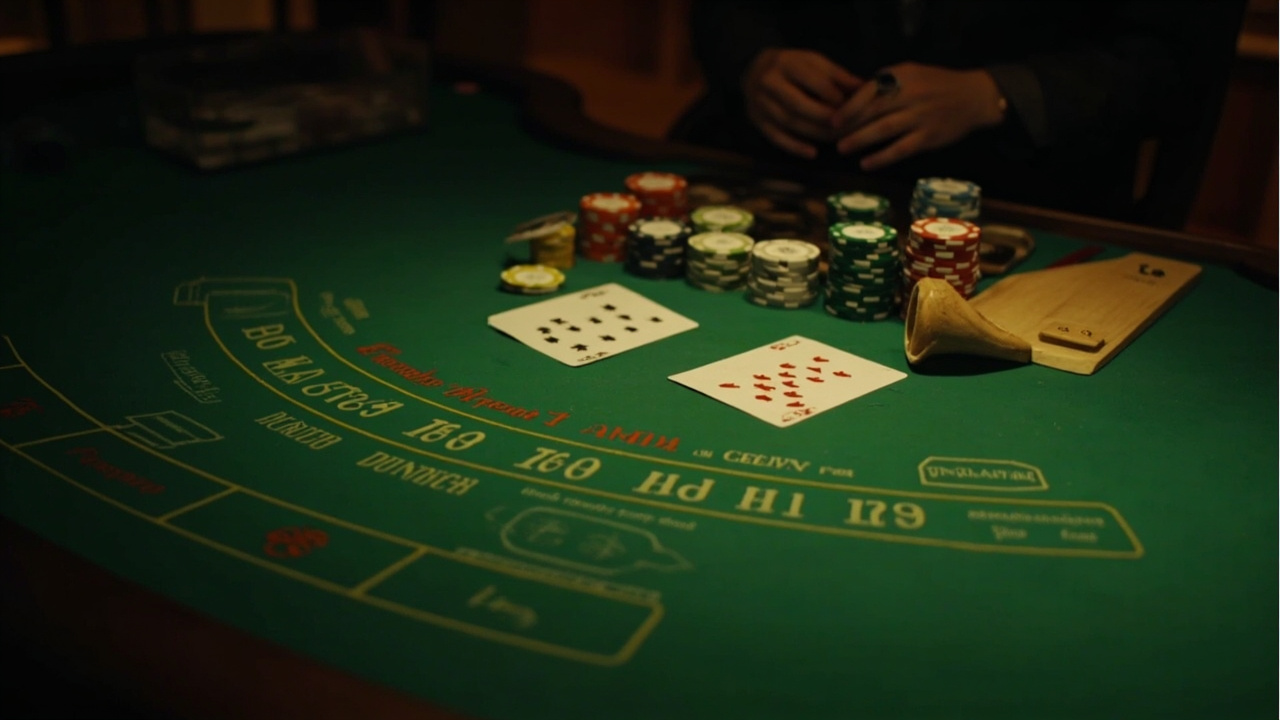
A decent live casino craps strategy starts with the layout itself, because the available wagers dictate what you can realistically control. In a live studio or on a streamed table, the pace is set by the dealer and the shooter, not by your own clicks, so you have to work with the rhythm rather than against it. The pass line and don’t pass line are the backbone for a reason: they carry a low house edge and let you stay in the game without chasing every toss. Come bets and don’t come bets extend that same logic after the point is established, which keeps your exposure measured while the round develops.
When the dice settle, many players shift their focus to digital reels where outcomes are entirely independent of the table’s flow. If you are looking to try legacy of dead slot, you can visit https://legacy-of-dead-slot-au.com/ to explore how modern interfaces handle random number generation. Ultimately, treating each gaming session as a distinct experience helps you manage your bankroll without letting one table’s rhythm dictate your entire evening.
Where a lot of players go wrong is drifting into the proposition and hard-way bets because they look flashy on the felt. I’ve seen social products and iGaming lobbies both lean into those higher-variance spots because they generate quick engagement, but that same design logic does not translate into a sensible plan for your bankroll. If you want a live casino craps strategy that holds up across sessions, you stick mostly to the low-edge line bets and treat the rest as occasional entertainment, not as a core plan.
The odds bet is the one feature worth understanding properly, because it is the only wager on the table with no house edge attached once the point is set. You place it behind your pass or don’t pass line, and it pays true odds depending on the point number. That means your combined house edge drops as you size the odds component relative to the line bet. It is not a secret path to profit, but it is the cleanest way to structure your money when the point is locked in and you are comfortable with the variance.
How to Build a Live Casino Craps Strategy Around the Odds and Line Bets
Keeping the Line Bets Tight
The pass line and don’t pass line are where a live casino craps strategy should spend most of its attention, because they give you a stable starting point with a modest edge against you. On the pass line, you are betting with the shooter, and the come-out roll decides whether you win immediately, lose immediately, or move to the point. On the don’t pass line, you are betting against the shooter, which flips the dynamics but keeps the same basic structure. I have overseen table game design on land-based floors where the pass line gets the most foot traffic simply because it feels more social, yet the don’t pass line is just as valid if you prefer a slightly different risk profile.
What matters in practice is consistency. If you are changing your line bet size every round based on a hunch, you are no longer running a strategy, you are reacting. A sensible approach is to pick a unit size that fits your session budget and keep the line bet there until the table conditions clearly change. That does not mean you never adjust, but it does mean your adjustments are deliberate rather than emotional.
When the Odds Bet Makes Sense
The odds bet is the part of a live casino craps strategy that separates thoughtful play from flat guessing, because it lets you add money behind the line once the point is set without adding house edge. The catch is that it amplifies variance, so you need to know your own tolerance before you press it. On a six or eight, the odds pay at different ratios than on a four or ten, and that changes how much you are effectively exposing on each point number. I have worked on social table products where we tuned the odds presentation carefully, because players who did not understand the payout differences were making choices that looked reasonable in the moment but were actually misaligned with their bankroll.
A practical rule is to keep the odds size proportional to the line bet rather than treating it as a separate gamble. If you are comfortable with a modest spread, you might take single odds; if you have a larger session plan and can absorb the swings, you might take more. None of this guarantees a result, and it certainly does not remove the house edge on the line bet itself, but it does give you a cleaner way to structure your exposure once the point is live.
Reading Steam Moves and Table Temper
Steam moves are sudden coordinated shifts driven by sharp bettors, and they matter because they can change the feel of a table faster than most casual players expect. In a live setting, you may notice the action tightening, the bets clustering on one side, or the pace changing as a group leans into a particular read on the shooter or the rhythm of the dice. I have watched that dynamic on busy Strip floors since Resorts World Las Vegas opened in 2021 as a major new Strip resort, and the same kind of momentum shows up in streamed live tables when a few disciplined players start leaning the same way.
That does not mean you should blindly follow the crowd. It means you should notice when the table is being steered and decide whether that fits your plan. Aaron King, Digital Acquisition Director, Coral Coast Interactive, puts it plainly: “The players who last are the ones who treat momentum as information, not as a prompt to abandon their own sizing.” If the steam is moving against your comfort level, the right call may be to step back rather than to chase it.
Player-Fit Verdict on a Live Casino Craps Strategy
A live casino craps strategy is a good fit for players who like structured decision-making and can stay calm when the dice run against them for a stretch. It is less suited to anyone looking for a fast way to turn a small stake into a big win, because craps rewards patience and bet selection more than it rewards aggression. Alice Murphy, Managing Partner, Murray River Gaming Research, has seen this pattern repeatedly in local research: “Australian players often enjoy the energy of the table, but the ones who stay disciplined are the ones who treat the odds bet and the line bets as the core, not the prop bets.” If you are in Newcastle and you are playing after work or on a weekend session, the same principle applies: pick your unit, keep your line bets steady, and use the odds bet only when it fits the size of your plan.
For players who prefer a quieter experience, the don’t pass line plus modest odds can be a workable alternative, especially if you are comfortable acting against the shooter’s momentum. For players who enjoy the social side, the pass line keeps you in the flow without forcing you into the higher-variance bets that make the table feel more volatile than it needs to be. Either way, the fit comes down to whether you can stick to a plan when the table gets busy and the rolls start moving quickly.
A solid live casino craps strategy is really about restraint: choose the low-edge line bets, use the odds bet deliberately, and pay attention to table momentum without letting it overwrite your own limits. If you can do that, you are playing the game on its own terms rather than chasing the loudest bets on the layout. If you ever want a different kind of session between craps rounds, you could try legacy of dead slot, though that is a separate experience with its own pace and paylines.
Glossary
- Pass line: the main bet with the shooter, decided on the come-out roll and settled once the point is repeated.
- Don’t pass line: the opposing bet against the shooter, with a similar come-out structure but opposite outcomes.
- Odds bet: a wager placed behind the line bet after a point is set, paying true odds with no additional house edge.
- Point: the number established on the come-out roll that must be repeated before a seven ends the round.
- Steam moves: sudden coordinated shifts in table action driven by sharp bettors rather than casual play.